Sweet Treats: How To Manage The Onslaught Of Sugar This Halloween
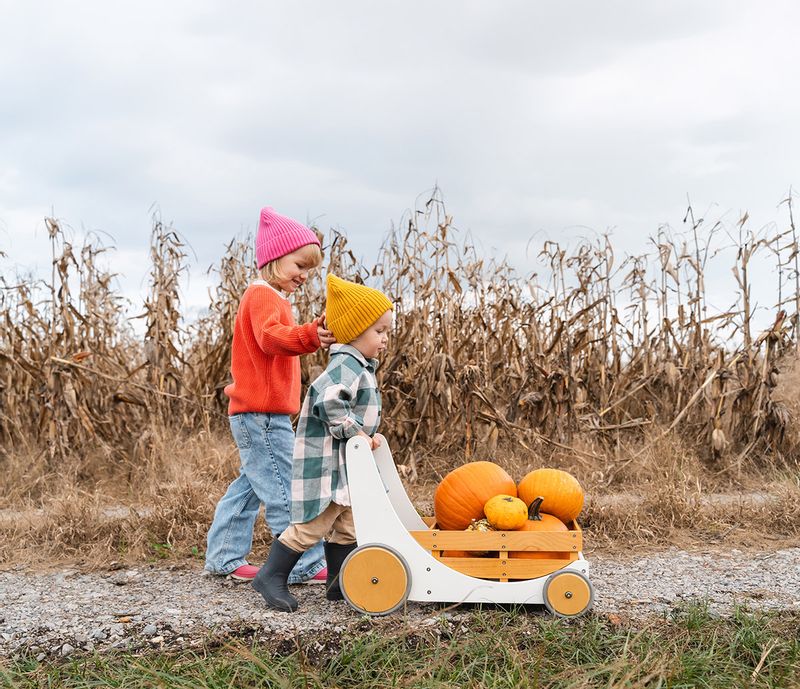
It’s no wonder that Halloween is among the most eagerly anticipated family holidays. What kid doesn’t love dressing up and visiting vibrantly decorated places where happy people hand out candy? Who can resist a parade of adorable trick-or-treaters? Still, even the most fun-loving parent may cringe when the kids dump all of their candy onto the living room floor. Although numerous scientific studies have claimed that behavior is unaffected by excess sugar, anyone who has witnessed a roomful of kids energized by sweets might disagree.
No one can argue that candy is nutritionally void and contributes to obesity and tooth decay. According to the U.S.D.A. Agricultural Research Service, some kids already consume an average of 21 teaspoons of sugar per day. Fortunately, there are steps that parents can take to ensure that Halloween is still fun without allowing harmful amounts of sugar to overshadow holiday enjoyment.
Focus On Fun And Healthy Alternatives
Susan Nitzke, Ph.D., a professor of nutritional sciences, suggests that families create alternative Halloween traditions that focus on the activity, not on the treats: “Children caught up in the excitement of other Halloween activities are less likely to be focused on the candy,” she says.
Try activities like hosting your own Halloween costume or craft party, coordinating a scavenger hunt (with toys, not candy, for prizes), attending candy-free carnivals offered by many communities, or spinning spooky tunes in the front yard to entertain passing trick-or-treaters.
Since a recent Halloween study found that children offered either toys or candy were equally likely to choose either option, don't sweat offering non-edible items like pencils, stickers, or temporary tattoos. Popular healthy food options are individual packages of graham crackers, mini boxes of raisins, or sugar-free gum.
Limit the Damage
No matter how careful you are, your child will inevitably be exposed to candy. To compromise, formulate a plan to dispose of any excess. Some parents allow a few small pieces per day until most of the candy (or the interest) is gone. You can also trade most of the candy for a bigger, more desirable prize, like a coveted game or toy.
Even offering $10 for all but a few handfuls of candy is cheaper than filling a cavity and less painful than a toothache. Dentists suggest consuming candy after meals when the body produces more saliva to help neutralize the acids that attach to tiny teeth. The worst time to eat candy is right before bed. Kids should rinse out their mouths and brush thoroughly after a candy feast, no matter what time of day.
Dentists say that the worst candies for teeth are anything that lingers, such as dots, gummy bears, suckers, and hard candies. The best choice for prompt “oral clearance” is chocolate because it melts quickly.
If fat and calories are a concern, some popular candies are better choices than others. Licorice only contains 30 calories per serving, and Hershey's Kisses only have 25. Some chocolate candies like Peppermint Patties, Junior Mints, and Three Musketeers are significantly lower in fat than other choices. Snack-sized portions are also an option.
Purge the Excess
Once you’ve convinced your child to give up any extra candy, get it out of reach so that it’s no longer a temptation. Freeze some chocolate bars to melt for s’mores, brownies, or fondue. Consider cutting up the rest to use as chocolate chips for baked goods intended for military personnel, teachers, or anyone special to your heart. Packaging up homemade goodies for others will place the focus on service instead of on consumption.
Use Halloween to Stress Smart Choices, But Don't Dwell
Halloween is a great time to talk to children about making good nutritional choices, but you may not want to portray that message as one of overwhelming sacrifice.
Once you’ve come up with a game plan that allows a little indulgence, explain the limits, but don’t dwell: “If you get too restrictive, they tend to hide food or snack secretly. Most of the Halloween feeding frenzy is in the first few days, and then it will settle down,” reassures Linda Davenport, a dietician.
Dental director A. Riley Cutler says, “Gathering and eating Halloween candy can be a lot of fun for kids and caregivers alike. You can’t raise a child and take away everything that is fun. The key is moderation.”
So offer your little Spider-Man or princess plenty of alternatives, but when they savor their hauls, know that treats in moderation are part of the thrill. Then help them learn to make good choices and figure out a useful way to share or purge the excess.
Sugarless Alternatives For Trick-Or-Treaters:
1. Tiny bottles of bubbles that are sold by the case at the dollar store.
2. Kid-sized Water Bottles: Trick-or-treaters get thirsty, and the water will help to keep sugar from sticking to their teeth.
3. Tailgating-type Treats: My neighbor’s front yard is the most popular trick-or-treating destination in our neighborhood, but she doesn’t serve candy. Instead, she hands out grilled, bulk hot dogs.
4. Glow-in-the-Dark Bracelets: These are popular with kids and ensure that they are easily seen.
Alternatives For Leftover Candy
1. Immediately Recycle It: Have kids quickly pick out their favorite handfuls of candy. Send items still tightly packaged and sealed right back out the door to the next batch of trick-or-treaters.
2. Package up candy (along with other packaged food items) and create a care package for soldiers who weren’t able to celebrate a traditional Halloween this year.
3. Save a wide variety of candy for a Thanksgiving Day piñata.
4. Save hard candy for Christmas gingerbread houses, wreaths, and ornaments.
5. Save a few handfuls of candy for a scavenger hunt on a school holiday.
By: Shannon Dean