
Daylight Saving Time and Kids’ Sleep
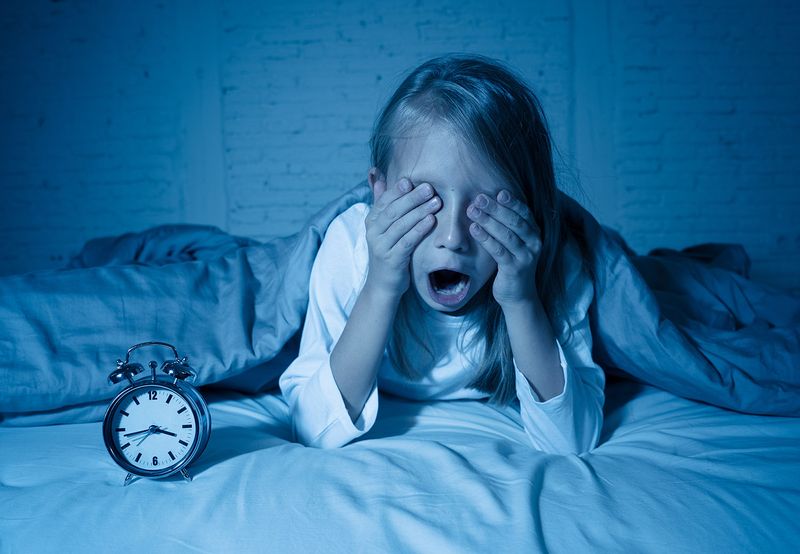
The Monday after the springtime time change often looks the same in many households. A preschooler is wide awake before dawn, convinced it is time to start the day. A middle schooler moves through breakfast in a fog, insisting they went to bed “on time” and still feel exhausted. Parents wonder how a single hour can throw everything off so completely.
For children, that hour matters more than one might assume. Daylight Saving Time does not simply shift the clock. It disrupts the body’s internal clock, which controls sleep, alertness, hormones, and mood. Unlike adults, children have fewer reserves to absorb that disruption, and their bodies often take longer to catch up.
What Happens to Sleep After the Clock Changes
In studies of infants and toddlers, researchers have found that the spring transition leads to measurable reductions in nighttime sleep. Babies and young toddlers slept roughly 15 to 20 minutes less per night. While that may sound modest, the more striking finding was how long it took for sleep patterns to recover. Some children required several weeks for bedtimes and wake times to stabilize again.
Parents often notice these adjustments as early waking, increased night waking, or naps that suddenly stop lining up with the rest of the day. Even when routines remain the same, a child’s internal clock may still be operating on the old schedule.
Older children and teenagers face a different challenge. Research involving high school students shows that the springtime change is associated with a noticeable drop in total sleep during the school week. In one study, students lost more than 30 minutes of sleep per night in the days following the shift. Over a single week, that added up to hours of missed rest.
What stood out was not just the sleep loss, but what followed. Teens showed slower reaction times, more attention lapses, and increased daytime sleepiness in class. The result was students who were less alert behind the wheel, less focused during lessons, and more emotionally reactive throughout the day.
Why Kids Are Especially Sensitive
Teenagers juggle a separate biological hurdle. During puberty, the release of melatonin shifts later in the evening, making it harder for teens to fall asleep early. Early school start times already clash with this natural rhythm. The spring daylight saving shift pushes that mismatch even further, asking teens to wake earlier while their biology is still signaling sleep.
This is why so many adolescents appear chronically tired even when they technically go to bed at a reasonable hour. Their internal clocks are misaligned, and the time change makes that misalignment worse.
It doesn't help that the switch is abrupt rather than gradual. Dr. Joseph A. Buckhalt, author of Child Sleep, From ZZZ's to A's, notes, "With our standard system of keeping time, the changes have to be abrupt, rather than 'phased in' over a period of days or weeks. Since our body clocks are aligned with daylight and darkness, they have no mechanism to adjust quickly for a drastic change from one day to the next."
What Parents Notice at Home
Clinical findings mirror what many parents see happening in real life. In surveys conducted by sleep health organizations, parents consistently say that their children’s sleep routines are significantly disrupted after the daylight saving time transition.
Parents often describe children who seem overtired yet resist bedtime, or kids who wake earlier than usual and cannot fall back asleep. Daytime behavior can shift as well. Irritability, emotional outbursts, and difficulty concentrating are common.
These reactions are not signs of misbehavior or poor parenting. They are predictable responses to a sudden shift in biological timing.
What Helps Kids Adjust
Sleep specialists agree that the abrupt clock change is the core problem. The body adjusts best to gradual shifts, but Daylight Saving Time does not allow for that. Still, there are ways parents can soften the impact.
Gradually adjusting schedules in advance can help. Moving bedtime and wake time earlier by 10 to 15 minutes for several days before the spring change gives the body a head start.
Light exposure also matters. Morning sunlight helps signal the brain that it is time to be awake. Getting children outside earlier in the day can support adjustment, while dimming lights in the evening helps encourage sleepiness.
Consistency is another powerful tool. Keeping familiar bedtime routines, even when the clock changes, provides a sense of predictability that helps the brain associate certain activities with sleep.
In the week after the change, it can also help to protect sleep more intentionally. Limiting late activities, reducing evening screen use, and avoiding overscheduling give children a better chance to recover lost rest.
Pediatric sleep specialists often emphasize that sleep is biological, not a matter of willpower. Children cannot simply decide to feel rested earlier than their internal clocks allow.
A Broader Health Conversation
The challenges surrounding Daylight Saving Time have fueled debate about whether the practice should continue. Several medical and sleep organizations have argued that permanent standard time would better align social schedules with human biology, particularly for children and adolescents.
For families, the twice-yearly clock change often serves as a reminder of how sensitive sleep truly is. Daylight Saving Time may be treated as a minor inconvenience, but for children, it can disrupt sleep in ways that ripple through mood, behavior, and learning.
The clock will likely keep changing for now. Kids will keep feeling it. What parents can do is notice the signs earlier, lower expectations temporarily, and respond with flexibility when routines stop working. Sometimes the most supportive response is simply recognizing that the struggle is biological, not behavioral.
Signs Your Child Is Still Adjusting
- Earlier-than-usual wakeups that persist
- Increased irritability or emotional sensitivity
- Difficulty focusing at school
- Resistance to bedtime despite fatigue
- Increased need for naps or quiet time
What Not to Do After the Time Change
- Don’t force earlier bedtimes all at once
- Don’t rely on weekend sleep-ins to “fix” fatigue
- Don’t add late evening activities that week
- Don’t assume behavioral changes are intentional
Why the Spring Change Is Harder Than Fall
- Spring means lost sleep; fall often adds sleep
- Morning light shifts later in spring
- Circadian rhythms adjust more slowly to advances than delays
- Kids and teens are especially sensitive to lost sleep